
Holiday Fraud Starts Early: Prepare Your Business Now
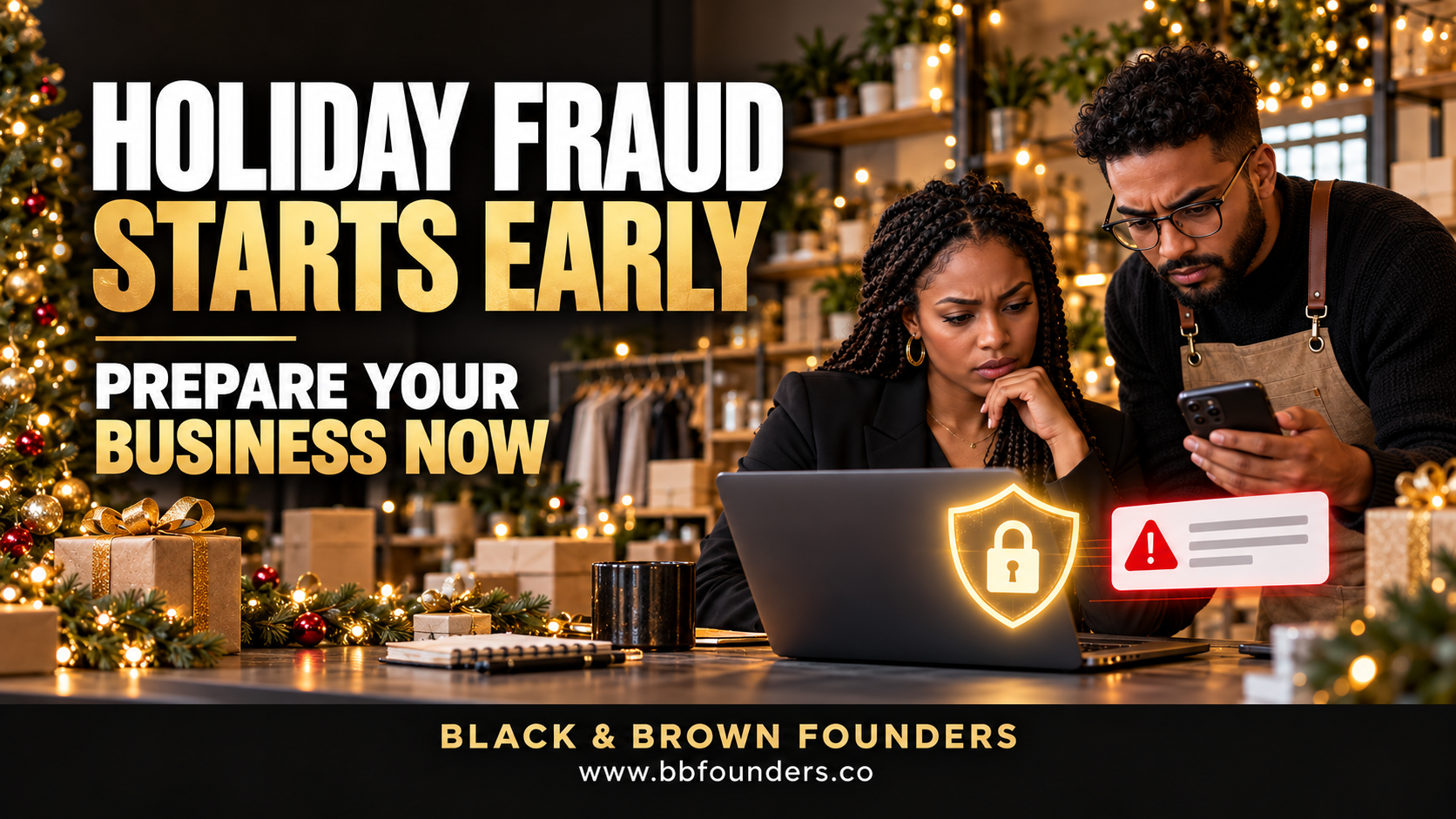
Prepare employees and payment processes for fake invoices, phishing messages, impersonation scams, and urgent holiday payment requests.
Fraud does not wait for the official start of the holiday season. Scammers begin early because businesses are ordering inventory, hiring seasonal help, planning promotions, and processing more payments. They use urgency and familiar names to make a false request feel routine.
Why this matters
The FTC warns that scammers target businesses with fake invoices, unordered merchandise, impersonation attempts, phishing, and fraudulent payment demands. A message may appear to come from a vendor, utility company, government agency, executive, or technology provider. The pressure to act immediately is often the warning sign.
What to do now
Require staff to match invoices to approved orders and known vendors.
Confirm urgent requests through a separate, trusted communication channel.
Do not share passwords, verification codes, or banking information by unexpected email or text.
Question requests for payment by gift card, cryptocurrency, or unfamiliar transfer method.
Create an internal process for reporting suspicious messages without delay.
Preserve suspicious messages and transaction records if a report becomes necessary.
Action for this week
Send the team one example of a fake invoice and one example of a phishing message. Ask employees to identify the warning signs and explain exactly whom they should contact before approving payment.
Black & Brown Founders connection Financial education and responsible technology practices can help entrepreneurs make clearer decisions and strengthen business resilience. Explore BBF programs, tools, and community resources at www.bbfounders.co.