
Be Ready for the Unexpected
It's Day Two of America Saves Week! Yesterday we shared information and resources related to building a strong foundation. Today, we’re focusing on something just as important: expecting the unexpected. Life is full of surprises. Sometimes they’re fun… and sometimes they’re not. A car repair, a medical bill, or an unexpected home expense—these are the moments that test our financial readiness. Emergencies aren’t if—they’re when. The good news? Even small savings can make a big difference. Today, we encourage you to check your emergency fund goal or set one if you haven’t yet. Even saving $5 or $10 a week adds up over time. The key is to make it consistent.

It’s Not If, It’s When: Why an Emergency Fund Is Essential to Your Financial Story
Emergencies are a part of everyone’s financial story. The key to handling them with confidence is being ready before they happen.
Every financial story has its plot twists…those moments when life throws something unexpected your way. A flat tire. A medical bill. A surprise home repair. Even the most carefully crafted plan can take a hit when the unexpected happens.
The truth is, it’s not if, it’s when. Emergencies are a part of everyone’s financial story. The key to handling them with confidence is being ready before they happen.
Your First $500: A Beginner’s Guide to Building an Emergency Fund
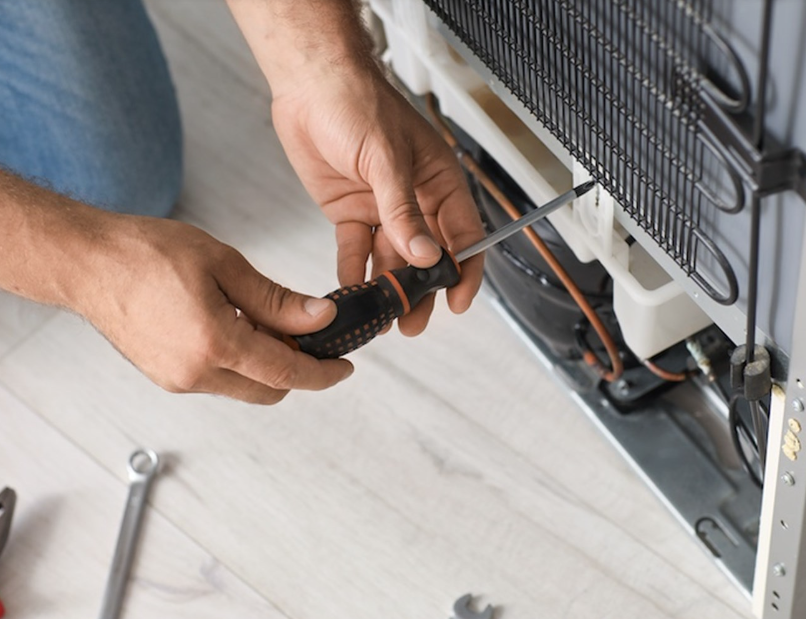
Let’s face it…….life is full of surprises. Whether it’s a flat tire, an unexpected medical bill, or a last-minute trip home, emergencies have a way of showing up when we least expect them. That’s why having even a small emergency fund can make a big difference.
Let’s face it…….life is full of surprises. Whether it’s a flat tire, an unexpected medical bill, or a last-minute trip home, emergencies have a way of showing up when we least expect them. That’s why having even a small emergency fund can make a big difference.
At America Saves, we believe that starting small is the key to building strong savings habits, and one of the best first steps you can take is to save your first $500.
Here’s how to get started with practical, doable steps to help you build an emergency fund that gives you peace of mind (and a financial cushion) when you need it most.

Disaster-Proofing Your Finances: A Key Piece of Your Emergency Plan
When we think about preparing for emergencies, like hurricanes, wildfires, or power outages, we often rush to stock up on bottled water, flashlights, and non-perishable food. While these are essential items to have on hand, there’s another side of emergency planning that often gets overlooked: your finances.
When we think about preparing for emergencies, like hurricanes, wildfires, or power outages, we often rush to stock up on bottled water, flashlights, and non-perishable food. While these are essential items to have on hand, there’s another side of emergency planning that often gets overlooked: your finances.
Disaster-proofing your finances is just as important as having an emergency kit. In fact, it can be the difference between quickly recovering or struggling to get back on your feet.
Financial preparedness is a form of protection for yourself, your loved ones, and your future. Here's why having a financial plan in place matters, and how to get started.
Know Where to Turn: Finding Trusted Resources in an Emergency or Disaster
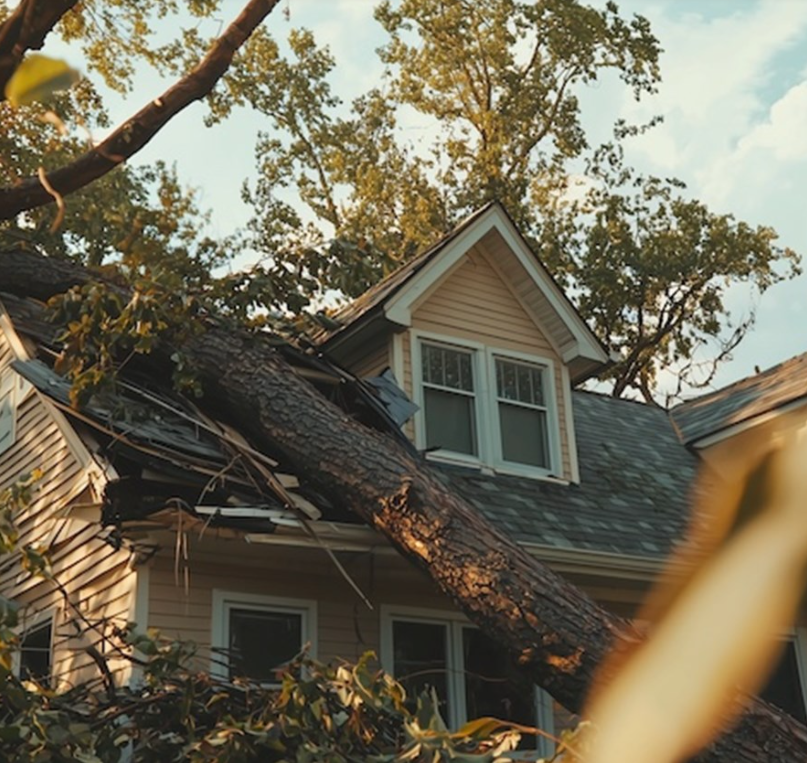
When disaster strikes—whether it’s a hurricane, flood, wildfire, or emergency, it’s easy to feel overwhelmed. On top of keeping yourself and your family safe, you may suddenly be faced with urgent financial decisions, property loss, displacement, or the need for immediate assistance. That’s why knowing where to turn before disaster hits is one of the most important steps you can take to protect your finances and peace of mind.
When disaster strikes—whether it’s a hurricane, flood, wildfire, or emergency, it’s easy to feel overwhelmed. On top of keeping yourself and your family safe, you may suddenly be faced with urgent financial decisions, property loss, displacement, or the need for immediate assistance. That’s why knowing where to turn before disaster hits is one of the most important steps you can take to protect your finances and peace of mind.
This month, we’re focusing on Saving for Emergencies and highlighting the importance of not just saving money but also knowing your support system and trusted resources in the event of a disaster.

New Ways to Save for Emergencies Through Your Workplace Retirement Plan
For many Americans, saving for emergencies can feel like a struggle. A surprise car repair, medical bill, or even a last-minute move can throw off your entire budget, and most Americans don’t have $1,000 set aside to deal with it.
For many Americans, saving for emergencies can feel like a struggle. A surprise car repair, medical bill, or even a last-minute move can throw off your entire budget, and most Americans don’t have $1,000 set aside to deal with it.
That’s why a federal law called the SECURE 2.0 Act created two tools to help make saving easier. These tools are built into some employers’ retirement plans, like a 401(k), and can help you build an emergency fund while you work.